Monday, August 24, 2020

The Green Anaconda

The green anaconda is one of the heaviest and longest snakes in the world. They can measure between 10 and 30 feet long and weigh up to 500 pounds! Females are usually bigger than males. Green anacondas live near swamps, marshes and slow-moving streams in the Amazon Rainforest in South America. They are a dark olive green, almost brown color with black spots and orange/yellow stripes on the sides of their heads. Its colors help it camouflage with its habitat. The scales on the underside of a green anaconda's tail are unique to each snake. 

Green anacondas are carnivores and eat mammals, birds and other reptiles. They are known to eat very large prey like capybaras, deer and even crocodiles! They are non-venomous snakes, so they squeeze and swallow their prey. They can go weeks or months without eating after a big meal! A green anaconda's eyes and nose are located on top of their head, allowing them to hunt while mostly hidden under water. Green anacondas are amphibious, meaning they spend time on land and in water, although they move much more easily in the water. In fact, the green anaconda's scientific name is derived from a Greek word meaning "good swimmer." While green anacondas are mostly solitary animals, a group of green anacondas is called a "knot" or a "bed."

Cool Fact: While many snakes lay eggs, green anacondas give birth to live young! Females can have 20 to 40 babies at a time that each measure 2 to 3 feet long. 

Monday, August 17, 2020

The Jaguarundi

The jaguarundi is a wild cat you may not know about. It is a small animal, weighing only 10 to 20 pounds and measuring 35 to 55 inches long. It looks kind of like a weasel or an otter with a long, narrow body, short legs and a small head. Jaguarundis come in a variety of colors - from gray to black to red to even yellow. Because they come in so many colors, at one time scientists thought they were different types of animals! Gray ones were called the jaguarundi and reddish ones were called the eyra. Female jaguarundis can have kittens in any color, although jaguarundis of darker colors are usually found in the rain forest, and lighter colors are usually found in drier environments.

Jaguarundis primarily live in the rain forests, woodlands, and grasslands in Central and South America, but a few may also be found in the southern United States. They eat birds, reptiles, fish and small mammals like rabbits, rats and mice. They are good jumpers and can leap high off the ground to catch prey. Jaguarundis are also great climbers and swimmers. 

Cool Fact: The jaguarundi is also known as the "otter-cat" because it looks like an otter and is a good swimmer!

Tuesday, August 11, 2020

The Sloth Bear

The sloth bear is a shaggy, hairy bear from Southern Asia. They live in dry and moist forests and in tall grasslands, where boulders, shrubs and trees provide shelter. Sloth bears have long black coats with manes around their faces. They have cream colored "V" or "Y" shapes on their chests. Because they live in warm climates they do not have an undercoat to keep them warm, like other bears do. Sloth bears primarily eat insects like termites, ants, and even bees! Sloth bears' nostrils can close completely to protect them from dust or insects when raiding termite nests or beehives. They also like to eat flowers and fruit like mangoes and figs. Because of their diet, a sloth bear's teeth are smaller and less sharp than other bears' teeth, although they still have large canine teeth for defense. In fact, adult sloth bears are missing their top two front teeth to help them easily suck up bugs!

At one time, it was thought that sloth bears were related to sloths, but that is not true. So its name can be confusing! Sloth bears can grow up to 6 feet long, 2 to 3 feet tall, and weigh 200 to 300 pounds. Common predators include tigers, jackals, wild dogs, leopards and other Asian bear species. Sloth bears use their long claws for defense. Sloth bears usually like to live alone, but are known to live in small groups when food is plentiful. They are the only bears that carry their babies on their backs.

Cool Fact: Unlike other bears, sloth bears do not hibernate! 

Friday, August 7, 2020

The Archerfish

Archerfish are very clever hunters. These fish look for insects and spiders sitting on leaves or flying through the air. They then shoot them down using streams of water from their mouths. Once their prey falls into the water, the archerfish gobbles it up! These fish have very accurate aim - most adult archerfish hit their target on the first shot, although they are persistent and will take more shots if they need to. Archerfish also have very good eye site, which helps them spot their prey. 

Archerfish are small, measuring 5 to 7 inches long. They live in parts of Asia and Australia. There are six species of archerfish and most live in fresh water rivers, streams and pools. Archerfish start hunting when they are about an inch long, but they are not very good at it. Because of this, young archerfish hunt in small groups, improving the chances that at least one of the fish will hit its target. 

Cool Fact: Archerfish can shoot down prey up to 10 feet above the water's surface!

Tuesday, August 4, 2020

The Amazon Pink River Dolphin


The Amazon pink river dolphin is a really cool animal. Adults, especially males, actually turn pink! The dolphins start off gray when they are young and slowly turn pink as they get older. Their final color can depend on their behavior, diet and exposure to sunlight. These dolphins can be anywhere from mostly gray with some pink spots, to almost flamingo pink. When pink river dolphins get excited, they can turn bright pink, similar to humans blushing!
Pink river dolphins are a species of toothed whale found in freshwater rivers and lakes throughout six countries in South America: Bolivia, Brazil, Colombia, Ecuador, Peru and Venezuela. Pink river dolphins eat a wide variety of things including turtles, crabs and more than 53 different kinds of fish!

There are five different species of freshwater dolphins, but the pink river dolphin is the largest and the smartest. They can measure up to 9 feet long and weigh 400 pounds. They also have really large brains. Pink river dolphins prefer to live alone or in small groups of two to four animals. There are many South American legends about the pink river dolphin being magical. One story says they turn into handsome men in the night! Another says pink river dolphins can whisk swimmers away to magical underwater cities. It has long been considered bad luck to harm them. 

Cool Fact: Pink river dolphins can live to be 30 years old!

Sunday, August 2, 2020

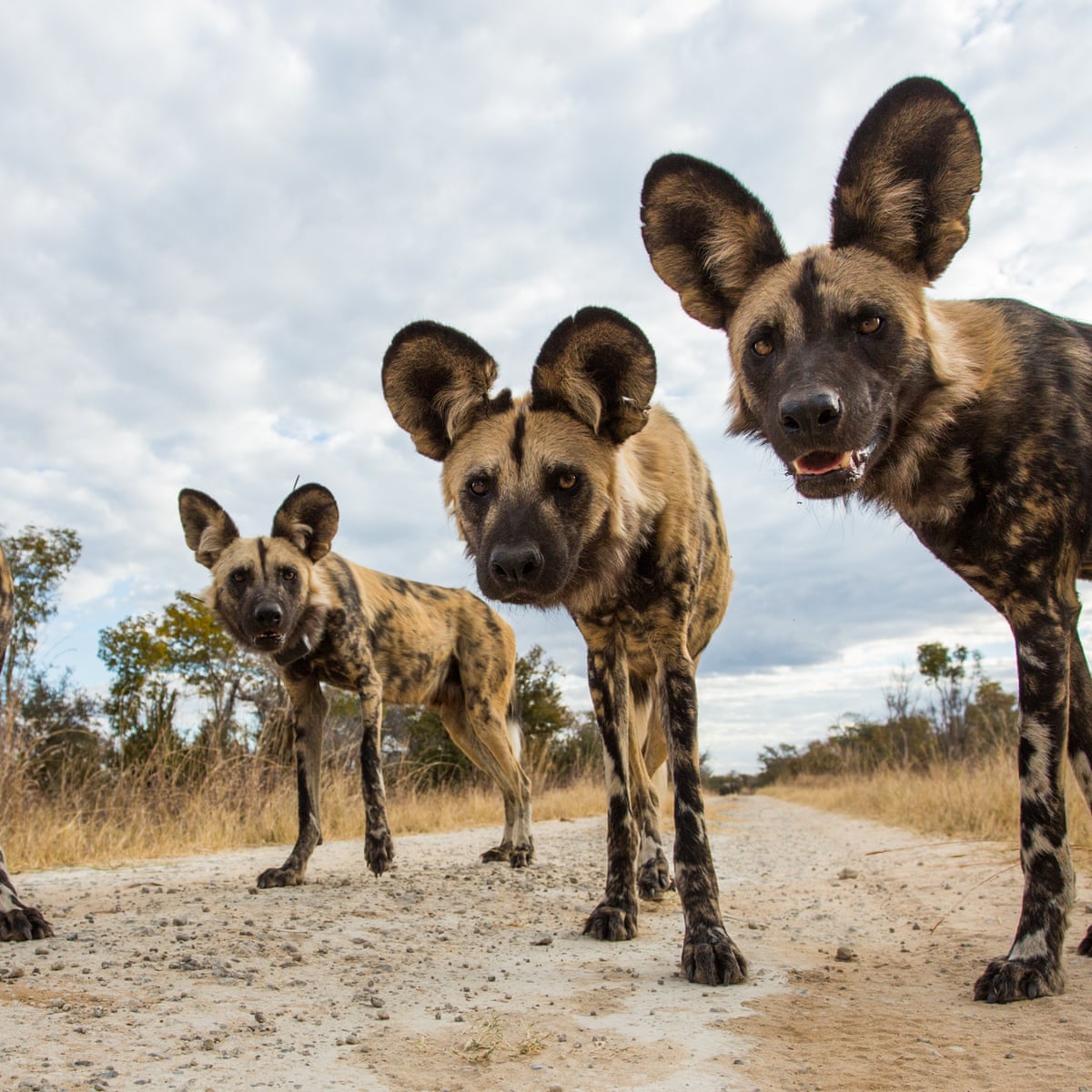
The African Wild Dog

Hot dogs: rising heat makes it too hot for Africa's wild dogs to ...
African wild dogs live in packs.
The African wild dog is also called the "painted wolf" because of the patterns on its fur. In fact, each African wild dog's coat has its own patterns that are as unique as a fingerprint! They are found on savannas in sub-Saharan Africa. They live in groups called packs that work together to do almost everything, including hunting and taking care of pups. Packs can include anywhere from 10 to 40 dogs. They communicate in many different ways - licks, whistles, yaps and even sneezing. When enough dogs sneeze it is time to go hunting! As a group, they can hunt animals much larger than themselves such as antelopes, gazelles and warthogs. They also eat rats and birds. Because they are always in their packs, the African wild dog has few predators, however lions and hyenas sometimes hunt dogs that get separated from their group. 

Only the pack's top female has babies, and she can have up to 12 pups at a time. The whole pack guards them and tears up food for them. The wild dog is one of the world's most endangered animals. 

Cool Fact: Wild African dogs are fast and can run up to 44 miles per hour!